
The National Weather Service said the San Juan River at Farmington had likely crested at a record level by late Friday, Oct. 23. County officials reported about 1,500 residences evacuated and roughly 60 rescue operations, with no deaths reported as of Friday evening. More rain is possible through the weekend.
In this article
The San Juan River at Farmington, New Mexico, has likely crested at a record level after days of heavy rain, the National Weather Service (NWS) said, as floodwater forced evacuations and rooftop rescues across San Juan County. In a flood warning issued at 11:31 p.m. MDT on Friday, Oct. 23, NWS Albuquerque said “Major flooding continues, though the river has likely crested and will slowly fall. This is the flood of record.”
No deaths had been reported as of Friday evening, the Albuquerque Journal reported, though county spokesman Devin Neeley said the number of injuries remained uncertain. The situation was still changing on Saturday, and the figures below are estimates from officials.
What happened
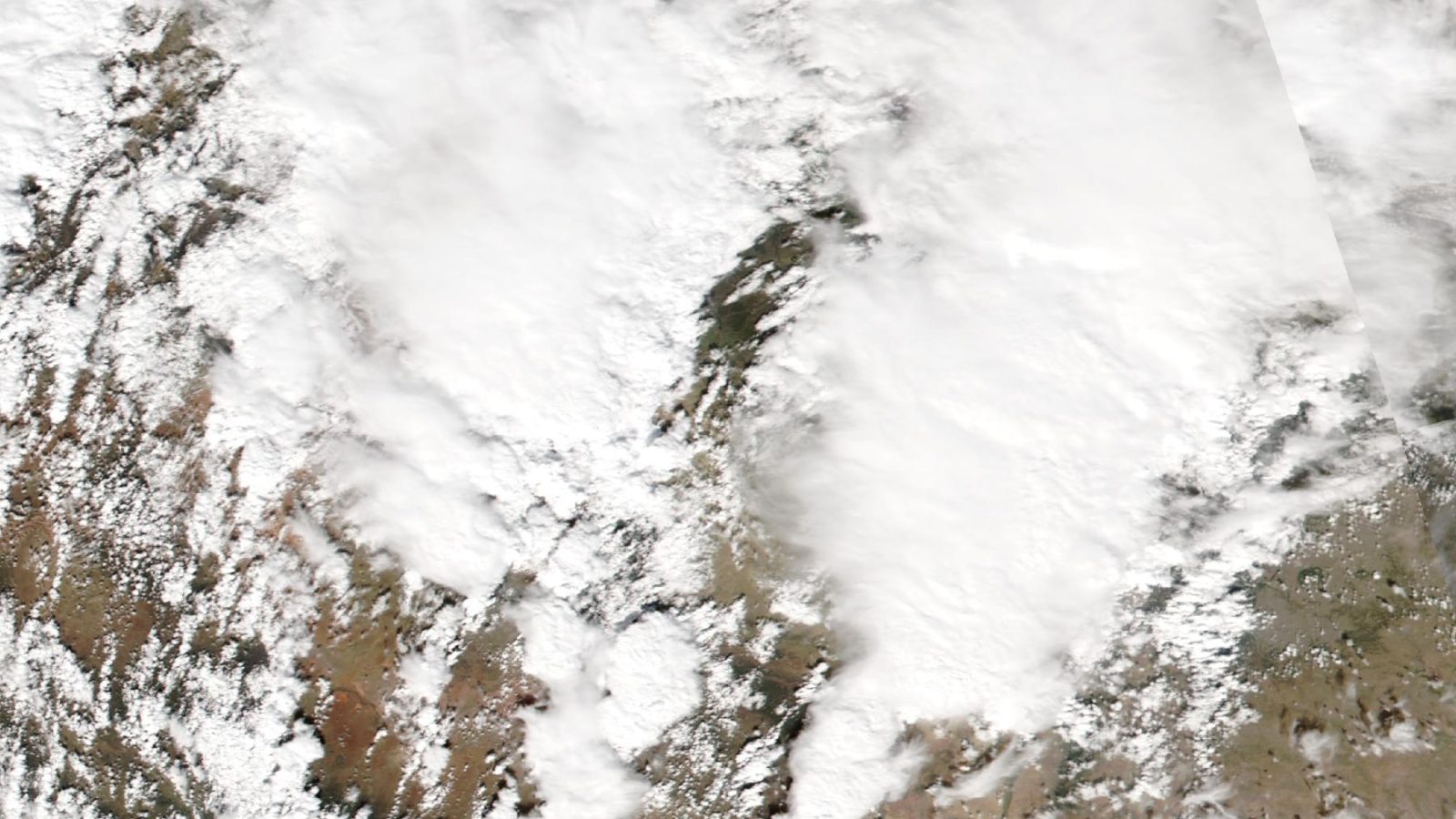
Heavy rain began falling across the Four Corners region, where New Mexico, Colorado, Utah and Arizona meet, on Wednesday, according to NPR. By Thursday and Friday, the San Juan and Animas rivers had overflowed “into streets, homes and businesses,” according to the San Juan County Office of Emergency Management, as reported by the Albuquerque Journal. San Juan County declared a state of emergency.
“We’re picking people off of roofs and pulling people out of houses that have 3 or 4 feet (1-1.5 meters) of water in them, and there’s more water coming,” Neeley told The Associated Press on Friday. He said an unknown number of people were rescued overnight and during the day by New Mexico National Guard boats, helicopters and amphibious vehicles.
At a Friday news conference, Farmington Police Chief Steve Hebbe urged residents to heed evacuation orders. “This is a once-in-a-generation time for us,” he said, according to the Albuquerque Journal.
According to Neeley, flooding also forced a temporary shutdown of Bloomfield’s water reclamation facility, allowing raw sewage to spill into the river. Bloomfield asked residents to conserve water.
Latest figures, with times
- Evacuations: City spokesperson Gina Intoppa told the AP on Friday that about 600 households in Farmington had been told to evacuate. Neeley estimated on Friday that approximately 1,500 residences had been evacuated countywide. One figure is for the city and the other for the whole county, and both are estimates.
- Rescues: By Friday evening, emergency personnel had carried out an estimated 60 rescue operations, the Journal reported. “The focus is on getting people out, not taking a head count,” Neeley said.
- Deaths and injuries: None reported as of Friday evening, per the Journal. Chief Hebbe said at the Friday news conference: “So far, we have not had any deaths that is very fortunate,” NPR reported.
- San Juan River at Farmington: NWS said at 11:31 p.m. MDT Friday that there was “no current observed data” but that the river had likely crested. The previous crest was 12.3 feet on Sept. 6, 1909, and flood stage is 8.5 feet. NWS forecast the river to fall below flood stage Saturday afternoon. The Journal reported a gauge height of 14.5 feet near Farmington on Friday.
- Animas River at Farmington: NWS said at 11:00 p.m. Friday the river was “likely near crest around 12 feet,” a level it said had not been reached “since the flood of 1927.” It forecast the river to fall below flood stage Saturday evening, with “additional rises” possible afterward.
- San Juan River at Shiprock: The stage was 17.3 feet at 10:00 p.m. Friday, and NWS forecast a crest of 20.7 feet late Saturday morning, so the downstream peak had not yet passed at the time of that statement.
Gauge readings and counts reported by news outlets have varied. The NWS statements are the reference used here for river levels.
Elsewhere in the Four Corners
In southwest Colorado, Gov. Jared Polis declared disaster emergencies in 11 counties, the AP reported. Archuleta County Sheriff Mike Le Roux said Friday: “We have widespread catastrophic infrastructure damage across state infrastructure, county infrastructure, private infrastructure.” He was not aware of any deaths or serious injuries as of midday Friday.
In Utah, the city of Hurricane declared a state of emergency on Thursday. Damage counts differ by outlet: the AP said floodwater reached 80 homes and 50 RVs, while Fox Weather cited city officials saying at least 130 homes and RVs were damaged. NPR reported that Navajo Nation police rescued seven families, 30 people, from flooded homes.
Why it happened
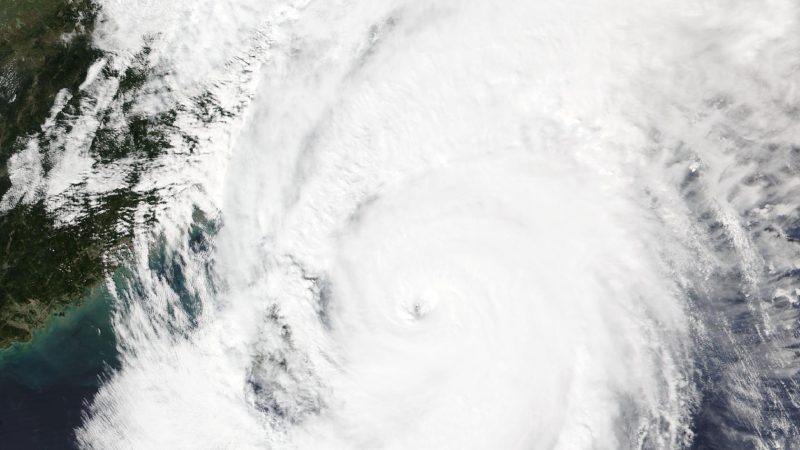
Kris Sanders, a meteorologist at the NWS office in Grand Junction, Colorado, told NPR that the remnants of Hurricane Trudy, which was active in the Pacific from Oct. 15 to Oct. 18, formed a slow-moving low-pressure system that worked its way southwest. Parts of southwest Colorado and southeast Utah received two to four inches of rain, and higher elevations such as the San Juan Mountains up to six inches. “Those rainfall amounts are records in themselves,” Sanders said.
The ground was already wet. NWS meteorologist Kate Abbott told the AP: “At this point we’re saturated and can’t take too much more without flooding.” She added: “This is the third or fourth round of this kind of moisture we’ve seen in as many weeks.”
Daniel Swain, a climate scientist with the University of California Agriculture and Natural Resources, told NPR the storms were fueled by moisture from record-warm waters off parts of the West Coast, driven by a strong El Niño event and a preexisting marine heat wave. That is one scientist’s explanation, not an NWS finding.
What happens next
The Albuquerque Journal, citing the NWS, reported that the risk of severe thunderstorms and heavy rainfall is forecast to persist through Saturday as a Pacific storm system moves east across New Mexico. “The focus for some of these more robust showers and thunderstorms is going to be gradually working its way east across the state through the weekend,” said Clay Anderson, a meteorologist with NWS Albuquerque, adding that by Sunday there will probably be “very little activity across western New Mexico.”
The Journal reported that additional state and federal declarations are possible, and Neeley told NPR: “This is going to be a long term impact to this community.”
Safety information from officials
- NWS flood warnings say: “Motorists should not attempt to drive around barricades or drive cars through flooded areas.”
- San Juan County officials advise residents to stay away from flooded areas and not to drive through flooded roads. The county’s Office of Emergency Management points residents to its Perimeter Map for real-time evacuation updates and sandbag locations.
- The American Red Cross opened a shelter at McGee Park in Farmington, the Journal reported.
For current warnings, follow NWS Albuquerque at weather.gov/abq and local emergency management.
Sources
- National Weather Service Albuquerque, Flood Warnings for San Juan County, NM (issued Oct. 23, 2026, via api.weather.gov), accessed Oct. 24, 2026.
- The Associated Press via ABC News, Severe flooding in the Four Corners region triggers rooftop rescues and evacuation orders (Oct. 23, 2026), accessed Oct. 24, 2026.
- Albuquerque Journal, ‘It really is this bad’: Flooding triggers evacuations, rescues across San Juan County (Oct. 23, 2026), accessed Oct. 24, 2026.
- NPR via OPB, Severe flooding hits Four Corners region, more expected through the weekend (Oct. 24, 2026), accessed Oct. 24, 2026.
- Fox Weather, Severe weather threat shifts into New Mexico after rare Tornado Watch, accessed Oct. 24, 2026.

Every fact in this article is checked against its source before publication. Editorial standards